Introduction
Water is essential for everyday life, but not all water is the same. One common issue many homeowners face is hard water, which contains high levels of naturally occurring minerals. While hard water is generally safe to drink, it can create several challenges for household plumbing, appliances, and cleaning routines. Understanding what causes hard water and how it leads to mineral deposits can help you protect your home and improve water efficiency.
What Is hard water?
Hard water is water that contains elevated concentrations of dissolved minerals, primarily calcium and magnesium. As groundwater travels through limestone, chalk, and other mineral-rich rocks, it absorbs these minerals before reaching homes through municipal water systems or private wells.
Although hard water is not considered harmful to human health, its high mineral content can create noticeable effects in daily household activities. Many homeowners notice white spots on dishes, reduced soap lather, and mineral stains around faucets as early signs of hard water.
Understanding calcium and magnesium
The primary minerals responsible for water hardness are calcium and magnesium. These naturally occurring minerals dissolve into groundwater as it passes through underground rock formations.
Calcium contributes to stronger bones and teeth when consumed, while magnesium supports muscle and nerve function. However, once these minerals accumulate inside household plumbing and appliances, they begin creating unwanted mineral deposits that affect efficiency and performance.
The concentration of calcium and magnesium determines whether water is classified as soft, moderately hard, hard, or very hard.
What Causes Hard Water?
Hard water develops naturally through the water cycle. Rainwater absorbs small amounts of carbon dioxide, making it slightly acidic. As it seeps through the ground, it dissolves calcium and magnesium from rocks before entering underground aquifers.
Areas with limestone bedrock typically experience much harder water than regions with granite or volcanic rock formations.
Common Signs of Hard Water
Recognizing hard water early helps prevent long-term household damage. Some common indicators include:
- White residue on faucets
- Soap scum on showers and sinks
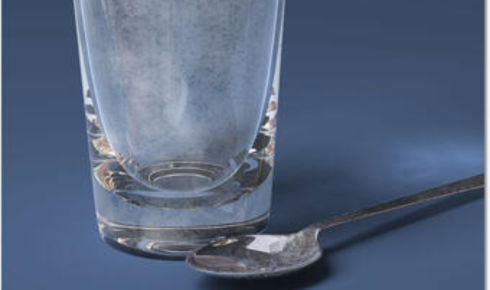
- Spots on clean glassware
- Dry skin after bathing
- Stiff laundry after washing
- Reduced water pressure
- Frequent appliance maintenance
These symptoms often become more noticeable over time as minerals continue accumulating.
How Scale Buildup Forms
Scale buildup occurs when hard water is heated or evaporates. As water disappears, dissolved minerals remain behind, gradually forming a hard, chalky layer on surfaces.
This mineral accumulation commonly appears inside:
- Water heaters
- Coffee makers
- Dishwashers
- Washing machines
- Showerheads
- Pipes
- Faucets
Over time, these deposits become thicker and more difficult to remove.
Effects on Household Plumbing
Mineral deposits slowly narrow the inside diameter of water pipes. This restriction decreases water flow and forces plumbing systems to work harder.
As scale continues to accumulate, homeowners may experience reduced water pressure, clogged pipes, and expensive plumbing repairs.
Routine maintenance helps reduce these problems before they become severe.
Impact on Water Heaters
Water heaters are among the most affected appliances because minerals settle rapidly when water is heated.
Scale buildup creates an insulating layer around heating elements, forcing the unit to consume more energy to produce the same amount of hot water.
As efficiency decreases, utility bills often increase while the appliance’s lifespan becomes shorter.
Appliance Performance
Hard water affects nearly every appliance that uses water.
Dishwashers may leave cloudy spots on dishes, while washing machines require more detergent for effective cleaning. Coffee makers and kettles often develop visible mineral deposits that reduce heating efficiency.
Regular descaling helps maintain appliance performance and extends service life.
Cleaning Challenges
Soap reacts with calcium and magnesium instead of dissolving completely in hard water.
This reaction creates soap scum, making bathrooms and kitchens more difficult to clean. More detergent and cleaning products are often needed to achieve satisfactory results.
Hard water can also leave streaks on mirrors, shower doors, and glass surfaces.
Effects on Skin and Hair
Many people notice that hard water leaves skin feeling dry after bathing.
Minerals may reduce soap effectiveness, leaving behind residue that affects skin comfort and hair softness. Hair may appear dull, while skin can feel tight after showers.
Although these effects vary among individuals, they are common in areas with very hard water.
Preventing Scale Buildup
Several strategies help reduce mineral accumulation throughout the home.
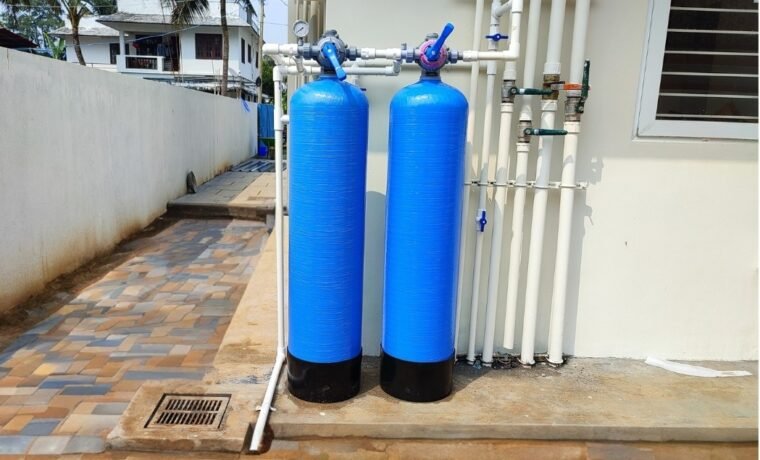
Installing a water softener removes much of the calcium and magnesium before water enters household plumbing. Regular appliance maintenance and periodic descaling also prevent excessive mineral deposits.
Cleaning fixtures with vinegar can help dissolve smaller surface deposits before they become permanent.
Conclusion
Hard water is a common household issue caused by naturally occurring minerals dissolved in groundwater. While calcium and magnesium provide nutritional value, they also contribute to scale buildup that affects plumbing, appliances, and cleaning efficiency. By understanding the causes and signs of hard water, homeowners can take preventive measures to reduce mineral accumulation, improve appliance performance, lower maintenance costs, and extend the lifespan of their home’s water system.