
Most of us don’t give water a second thought. It’s there when you need it—running from the tap, filling a glass, rinsing dishes. It feels simple, predictable.
Until one day, it doesn’t.
Maybe your coffee tastes slightly different. Maybe your skin feels dry after a shower, or your dishes come out with spots that won’t quite disappear. It’s never dramatic, but it lingers just enough to make you wonder what’s going on.
And that’s usually where the conversation about water quality begins.
The Small Signs That Add Up
Water issues don’t usually show up all at once. They arrive quietly, in little details.
Soap doesn’t lather the way it used to. Clothes feel a bit rough after washing. You notice buildup on faucets or glassware. None of these feel urgent, but together, they tell you something’s off.
That’s when people start exploring residential water solutions—not because something is broken, but because everyday comfort isn’t quite where it should be.
It’s less about fixing a problem and more about improving the experience of living with your water.
Why Hard Water Feels Like a Bigger Issue Over Time
Hard water is one of the most common causes behind these small frustrations. It’s not dangerous, but it can be annoying.
Minerals like calcium and magnesium build up over time, leaving residue on surfaces and making cleaning a bit more effort than it needs to be. Appliances work harder. Pipes collect deposits. Even your laundry doesn’t feel as soft.
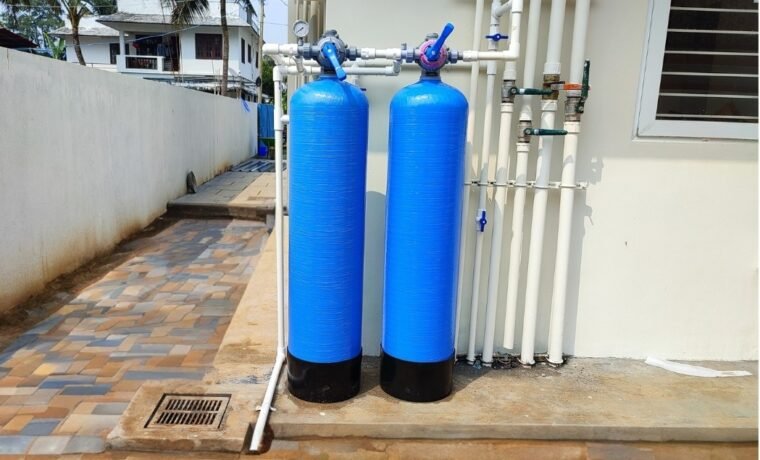
That’s where water softener systems step in. They don’t just change how water feels—they change how it behaves.
Showers become gentler. Detergents work more effectively. Appliances last longer because they’re not constantly fighting mineral buildup.
It’s a subtle shift, but one that you notice more with time.
When Taste and Purity Matter Most
While hard water affects comfort, drinking water brings a different kind of concern.
You want it to taste clean. You want to trust it. And even if it’s technically safe, that doesn’t always mean it feels right.
That’s where reverse osmosis drinking water systems come into the picture. They focus on purification at a deeper level, filtering out impurities that can affect both taste and quality.
The difference isn’t always dramatic, but it’s noticeable. Water feels lighter, cleaner—more like what you expect it to be.
And once you get used to that, it’s hard to go back.
Choosing What Actually Fits Your Home
Here’s where things can get a bit confusing. There’s no single solution that works for everyone.
Some homes struggle more with hard water. Others are focused on improving drinking quality. And in many cases, it’s a mix of both.
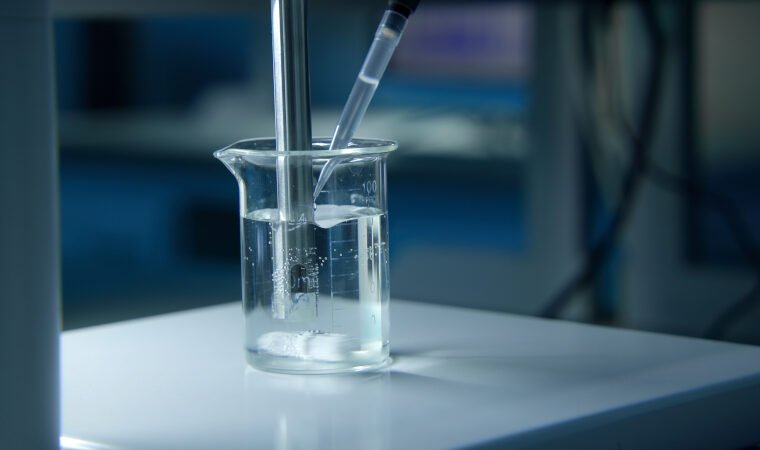
The key is understanding your water before making decisions. A simple test can reveal what’s actually in it—minerals, contaminants, overall composition.
From there, it becomes easier to choose what makes sense for your space, your needs, and your priorities.
It’s not about adding everything—it’s about adding what matters.
The Quiet Benefits You Don’t Expect
What’s interesting about improving water quality is how it affects things you didn’t think about.
Your morning coffee tastes better. Your skin feels more comfortable after a shower. Your laundry comes out softer, without that slightly stiff texture.
Even your appliances seem to run more smoothly, needing less maintenance over time.
None of these changes are dramatic on their own. But together, they create a noticeable improvement in your daily routine.
Maintenance: The Part That Keeps It All Working
Installing a system is one thing. Keeping it working well is another.
Filters need to be replaced. Systems need occasional checks. It’s not difficult, but it does require a bit of consistency.
Skipping maintenance doesn’t usually cause immediate problems. But over time, performance drops. Water quality shifts again, often so gradually that you don’t notice until it’s already affecting your routine.
A little attention goes a long way here.
Making It Part of Your Everyday Life
The best approach to water quality isn’t about constant effort. It’s about small habits.
Paying attention to changes. Replacing filters when needed. Noticing when something feels off.
It becomes part of how you care for your home, without feeling like extra work.
And once it’s part of your routine, it doesn’t take much thought at all.
Final Thoughts: A Simple Change That Stays With You
At the end of the day, water is something you use constantly. It touches almost every part of your life, even if you don’t notice it.
Improving it isn’t about making a big, flashy change. It’s about creating a better everyday experience—one that feels natural, comfortable, and reliable.
So if you’ve been noticing those small signs, the ones that don’t feel urgent but don’t feel right either, it might be worth taking a closer look.
Because sometimes, the smallest improvements are the ones that quietly make everything else feel easier.