
Water can look perfectly clear and still have a story to tell. That is the slightly uncomfortable truth most people discover only after something goes wrong. Maybe the tap water tastes metallic. Maybe the shower leaves your skin dry. Maybe the kettle keeps growing that chalky white crust no matter how often you clean it. Or perhaps the water smells a little like a swimming pool, and everyone in the house has just accepted it as normal.
But “normal” doesn’t always mean good. Water moves through soil, pipes, treatment plants, storage tanks, wells, and fixtures before it reaches your glass. Along the way, it can pick up minerals, chemicals, sediment, odours, and other things you may not notice at first. That is why understanding your water is the first real step toward improving it.
Clear Water Is Not Always Clean Water
One of the biggest mistakes homeowners make is judging water by appearance alone. If it looks clear, they assume it must be fine. Sometimes it is. Sometimes it is not. Many water issues do not show themselves in dramatic ways. They show up slowly, almost politely.
A faint smell. Spots on dishes. Dry hair. Soap that refuses to lather properly. Ice cubes that look cloudy. Tea that tastes flat. These little clues can point to hardness, chlorine, iron, sediment, high mineral content, or other concerns.
That does not mean every home has a serious problem. But it does mean guessing is not the smartest approach. Water quality is too important to treat like a mystery.
Why Testing Comes Before Treatment
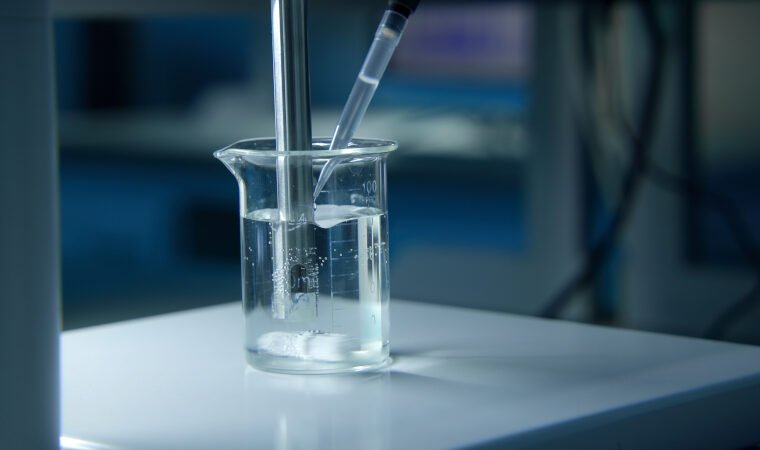
Before choosing a filter, softener, or drinking water system, you need to know what you are dealing with. A proper water testing analysis helps identify what is actually in the water and how those elements may be affecting taste, smell, appliances, plumbing, and daily use.
Without testing, people often buy the wrong solution. A softener may help with hard water, but it will not solve every odour or taste issue. A simple carbon filter may improve chlorine taste, but it may not address iron staining or heavy sediment. A drinking water system may improve water at one tap, but it will not protect the whole home from scale.
Testing turns guesswork into a plan. And that usually saves money, frustration, and time.
The Everyday Signs People Usually Ignore
Water problems rarely announce themselves with a flashing warning light. They tend to sneak into routines. You clean the shower door more often. You use extra shampoo. You scrub orange stains from the sink. You replace a kettle sooner than expected. You buy bottled water because the tap “just tastes weird.”
These habits become background noise. But they are often symptoms of water that needs attention.
Hard water can leave scale in appliances and fixtures. Iron can stain surfaces and laundry. Chlorine can affect taste and smell. Sediment can clog screens, taps, and filters. Even if the water is technically safe, it may not be pleasant or efficient for everyday living.
A Free Test Can Be a Smart Starting Point
Many homeowners delay water testing because they assume it will be complicated or expensive. In reality, a free water analysis can be a simple first step. It gives you useful information without requiring you to commit to a full system right away.
The best part is that it helps you ask better questions. Instead of saying, “My water seems bad,” you can talk about hardness levels, chlorine taste, iron, sediment, or other specific issues. That makes the conversation more practical and less sales-driven.
It also helps you compare options properly. Once you know what the water contains, you can choose treatment based on real need, not fear or guesswork.
What Testing May Reveal
Different homes have different water challenges. Municipal water may contain chlorine or chloramine used for disinfection. Well water may carry minerals, iron, sulphur smell, sediment, or changing quality depending on weather and groundwater conditions. Older plumbing may also affect taste, colour, or clarity.
Testing may reveal hardness, pH imbalance, dissolved solids, iron, manganese, nitrates, bacteria concerns, or other contaminants that should be addressed with the right equipment. Some results may be minor comfort issues, while others may need faster attention.
This is why one-size-fits-all water treatment rarely works well. The water in one neighbourhood may be very different from the water a few miles away. Even two homes on the same road can have different results, especially if one uses a private well.
Choosing the Right System After Testing
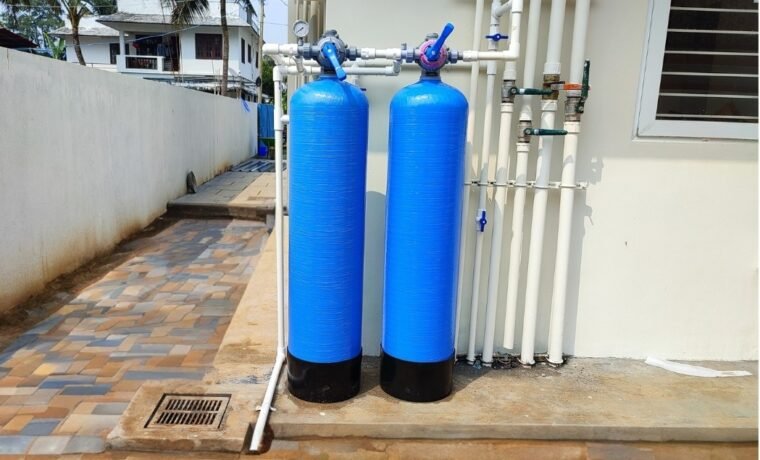
Once you have test results, the next step becomes much easier. Hard water may point toward a softener. Chlorine taste may call for carbon filtration. Sediment may require a pre-filter. Drinking water concerns may be best handled with reverse osmosis or another dedicated system. Well water may need a more layered setup.
The right solution depends on what the test shows, how much water the household uses, and where the problem is happening. If all the trouble is with drinking water, an under-sink system may be enough. If showers, laundry, appliances, and fixtures are affected, whole-home treatment may make more sense.
Good water treatment is not about buying the biggest system. It is about buying the right one.
Testing Protects More Than Taste
Better water is not just about a nicer glass from the kitchen tap. It can help appliances last longer, reduce cleaning work, protect plumbing, improve laundry, and make showers feel better. Water heaters, dishwashers, washing machines, coffee makers, and ice machines all depend on water quality.
When the water is harsh, dirty, or mineral-heavy, those appliances often work harder. That can mean more maintenance, more energy use, and earlier replacement. Testing helps uncover those hidden problems before they become expensive.
A Small Step Toward Better Water
Water testing is not dramatic. Nobody throws a party because they learned their hardness level. But it is one of those sensible home decisions that can quietly improve everyday life.
You get clearer answers. You avoid wasting money on the wrong equipment. You understand why your water tastes, smells, or behaves the way it does. And you can choose a treatment plan that actually fits your home.
Clean, comfortable water begins with knowing what is in it. Once you have that information, everything else becomes simpler — from choosing a filter to protecting your appliances to pouring a glass of water you actually enjoy drinking.