Most of us trust our tap water without thinking too much about it. You turn the handle, fill a glass, rinse vegetables, start the washing machine, and move on with the day. Water is one of those quiet household things that only gets attention when something feels off. Maybe it smells strange. Maybe it tastes a little metallic. Or maybe it simply doesn’t look the way it should.
That moment can be unsettling. Clear water feels normal. Anything else raises questions fast. Is it safe? Is it the pipes? Is it the city supply? Should you drink it, boil it, or avoid it completely? The truth is, changes in water appearance can come from several causes, some harmless and temporary, others worth checking properly.
Why Clear Water Suddenly Turns Cloudy
Seeing cloudy water pour from the tap can be surprising, especially when it looks milky or foggy in a glass. In many cases, this is caused by tiny air bubbles trapped in the water. If the cloudiness clears from the bottom of the glass upward after a minute or two, air is usually the reason. It often happens after plumbing work, pressure changes, or seasonal shifts in the water supply.
But cloudiness is not always just air. Fine sediment, mineral particles, or issues inside your home’s plumbing can also create a hazy look. If the water stays cloudy, appears only from certain taps, or comes with a strange smell, it’s better not to ignore it. Water has a way of giving early warnings before bigger problems show up.
The Colour of Water Matters
Brown, yellow, orange, or reddish water can feel more worrying, and honestly, it should get your attention. Discolored water often points to rust, sediment, or disturbances in old pipes. Sometimes it happens after nearby hydrant flushing or water main repairs, when mineral deposits are stirred up and pushed through the system.
If the colour appears only when using hot water, the water heater may be part of the issue. Rust inside the tank, old fittings, or sediment at the bottom can affect what comes out of the tap. If both hot and cold water are affected across the home, the cause may be coming from the main supply line or municipal system.
A single glass of tinted water after maintenance may not mean disaster. But repeated colour changes deserve testing and inspection.
Taste and Smell Are Clues Too
Water doesn’t need to look strange to have a problem. Sometimes the first sign is taste. Metallic, earthy, salty, or chemical-like flavours can point to minerals, chlorine, pipe corrosion, or other substances. A rotten-egg smell may suggest sulfur-related compounds, especially in well water. A musty smell could come from organic matter or plumbing conditions.
These things are easy to brush aside. People get used to “how the water tastes” in their home. But if guests notice it, or if the taste changes suddenly, that’s a clue worth listening to.
Everyday Causes Inside the Home
Not every issue comes from the public supply. Your own plumbing system can play a big role in household water problems. Older pipes may release rust or sediment. A neglected water heater can collect deposits. Faucet aerators can trap small particles and make water appear dirty when it first flows out.
Even water softeners and filters need maintenance. A filter that is past its life may stop working properly, and in some cases, it can become part of the problem instead of the solution. That’s why replacing cartridges, cleaning fixtures, and checking systems regularly matters more than many homeowners realise.
The water coming into the house may be fine, but what happens inside the walls can change everything.
Why Testing Is Better Than Guessing
Good water quality is about more than appearance. Clear water can still contain things you cannot see, taste, or smell. That’s why testing is the practical step when something seems wrong. A basic test can check hardness, pH, iron, chlorine, sediment, bacteria, and other common concerns depending on your source.
For homes using private wells, regular testing is especially important. Unlike municipal water, well water is usually the homeowner’s responsibility. Weather changes, nearby construction, flooding, agricultural runoff, or aging equipment can all affect what ends up at the tap.
Testing removes the guesswork. Instead of buying random filters or worrying without answers, you get actual information.
What You Can Do Right Away
If your water suddenly looks or smells unusual, start simple. Run the tap for a few minutes and see whether it clears. Check both hot and cold water. Try different taps around the house. Ask neighbours if they are seeing the same thing. These small checks can help you figure out whether the issue is inside your home or part of a wider supply problem.
Clean faucet aerators too. It sounds almost too basic, but sediment can collect there and make water look worse than it really is. For coloured hot water, pay attention to the water heater. If it hasn’t been flushed or serviced in years, it may be overdue.
When water remains odd-looking, smells strongly, or causes staining, arrange a proper test before using it heavily for drinking or cooking.
Choosing the Right Treatment
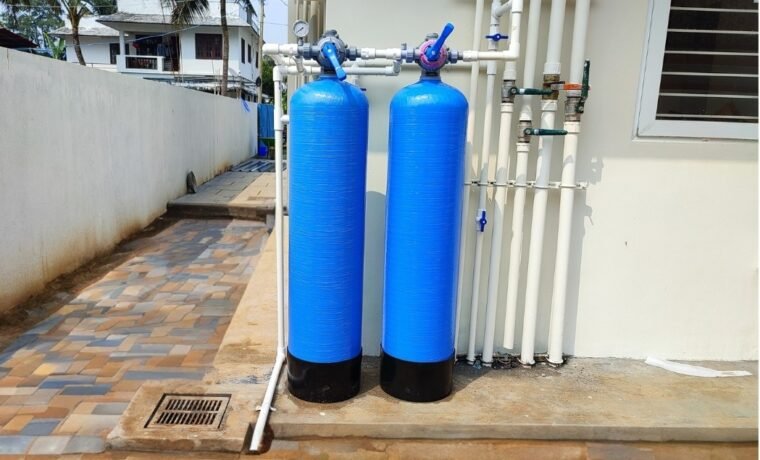
There is no single solution for every water issue. Sediment filters can help with particles. Carbon filters may improve taste and reduce chlorine. Iron filters can handle rust-coloured staining. UV systems may be useful for certain well water concerns. Whole-home filtration may be the better option when problems affect every tap.
The best system depends on what the test shows. Buying treatment equipment without knowing the cause is a bit like taking medicine without knowing what’s wrong. It might help, or it might do almost nothing.
A Clearer Home Starts With Paying Attention
Water problems are easy to postpone because life is busy. A little cloudiness, a faint smell, a slight stain in the sink — none of it feels urgent at first. But your tap water is part of daily living, and when it changes, it is usually trying to tell you something.
The good news is that most water concerns can be understood and managed with the right steps. Look closely, test when needed, maintain your plumbing, and choose treatment based on facts rather than fear. Clean-looking, better-tasting water brings a quiet kind of comfort to a home. You may not think about it every day, but you definitely notice when it’s gone.