Most homeowners don’t spend much time thinking about water until it starts acting a little strange. You turn on the tap, take a shower, run the dishwasher, wash a load of towels — normal everyday stuff. But then the small annoyances begin. The glasses come out cloudy. The sink develops a rusty ring. The shower has that odd rotten-egg odor for a few seconds. And suddenly, water doesn’t feel quite as simple as it should.
The tricky thing is, water problems rarely arrive with one big dramatic sign. They show up quietly. A stain here, a smell there, a bit of buildup around the faucet. It’s easy to blame the appliance, the soap, the cleaner, or even the age of the house. Sometimes those things play a role, sure. But more often than people realize, the water itself is trying to tell you something.
The Little Signs That Are Easy to Ignore
A lot of water issues look harmless at first. White spots on dishes. Soap that doesn’t lather well. Skin that feels dry after a shower. Laundry that comes out stiff even after using fabric softener. These are not exactly emergencies, so most people just live with them.
But over time, these small problems can become expensive. Minerals and sediment can collect inside plumbing fixtures, water heaters, dishwashers, washing machines, and coffee makers. The buildup may not be visible right away, but it can make equipment work harder than it should. That means more wear, less efficiency, and sometimes earlier repairs.
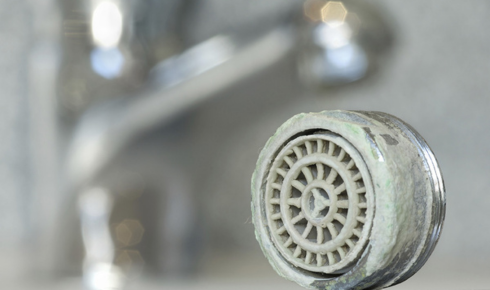
Many families put up with hard water problems for years without realizing how much they affect daily comfort. Hard water can make cleaning feel like a losing battle. Shower doors look dull no matter how often they’re wiped. Faucets develop crusty deposits. Hair may feel flat or rough. None of it feels serious in the beginning, but it adds up.
Why Stains Say More Than You Think
Water stains can be frustrating because they keep coming back. You scrub the sink, clean the toilet bowl, wipe the tub, and a few days later, there it is again — that orange, reddish, or brownish mark that makes the bathroom look neglected even when it isn’t.
These stains often point toward minerals in the water, especially in homes using private wells. Iron is one of the common reasons. It may enter water naturally through soil and rock, or sometimes through aging pipes and plumbing components. The water may look clear when it first comes out of the tap, but once it sits or reacts with air, staining begins.
Nobody wants to keep fighting iron stains with stronger cleaners every week. Testing the water is usually a better first step. Once you know whether iron is present, and how much, it becomes easier to choose the right treatment instead of guessing. A standard filter may not solve it. A properly selected system, however, can make a noticeable difference.
That Rotten-Egg Odor Isn’t Something to Brush Off
Smell is one of the fastest ways people notice a water issue. A chemical scent, musty odor, metallic taste, or rotten-egg smell can make even clear water feel unpleasant. And honestly, once you notice it, it’s hard to ignore.
A sulfur smell is commonly described as smelling like rotten eggs. It may be linked to hydrogen sulfide gas, certain bacteria, or reactions inside a water heater. Sometimes the odor appears only in hot water. Sometimes it comes from both hot and cold taps. Either way, it’s a sign worth checking, because the cause matters before the solution can be chosen.
The good news is that odor problems are often manageable. But they should be diagnosed correctly. Treating the wrong source can waste money and leave the smell exactly where it started.
City Water and Well Water Have Different Challenges
People on municipal water sometimes assume testing is unnecessary because the water is already treated. And yes, city water systems are designed to meet public safety standards. But the water still travels through pipes before reaching your home, and older plumbing can influence taste, odor, or appearance.
Well water is more personal. The homeowner is usually responsible for monitoring it. Local soil, rainfall, nearby farming, septic systems, construction, and the condition of the well can all affect quality. A well that tested fine years ago may not be exactly the same today.
That’s why water testing isn’t just for people with obvious problems. It’s also useful for peace of mind. If the water tastes good, smells fine, and leaves no stains, great. Testing can confirm that. If something is off, testing helps explain what is happening.
Why Guessing Usually Costs More
One common mistake is buying a treatment system too quickly. Maybe a neighbor installed a softener, so you assume you need the same thing. Or maybe you buy a filter online because the reviews look good. Sometimes that works, but sometimes it barely touches the real issue.
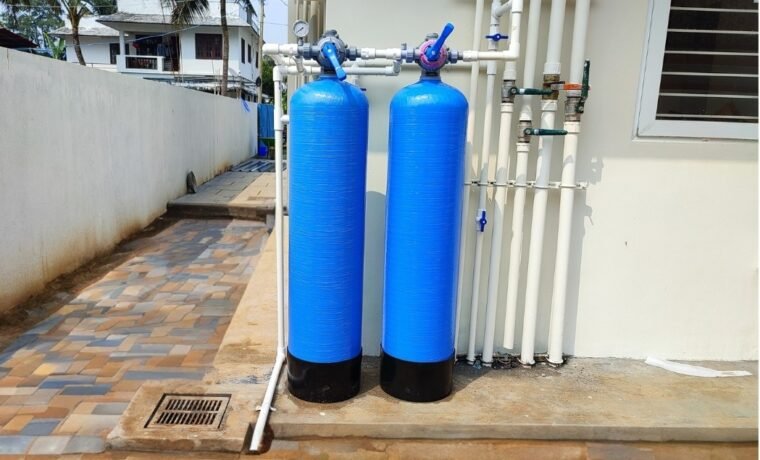
Water treatment depends on the actual condition of the water. Hardness, iron, sulfur odors, sediment, chlorine taste, pH balance, and bacteria concerns all require different approaches. A carbon filter might improve taste but do little for minerals. A softener may help with hardness but not remove every odor. An iron system may be useful in one home and unnecessary in another.
A proper water test gives you a clearer path. It helps avoid overspending, under-treating, or installing equipment that solves only half the problem.
What a Good Water Solution Should Feel Like
The right water treatment should make life easier, not more complicated. Dishes should look cleaner. Fixtures should stay brighter longer. Showers should feel better. Drinking water should taste more pleasant. Appliances should have a better chance of lasting the way they’re supposed to.
That doesn’t mean every home needs a large, expensive system. Some homes only need a simple filter. Others may benefit from a softener, iron filter, odor treatment, or a combination of solutions. The best answer depends on the test results and the homeowner’s actual concerns.
A trustworthy water specialist should explain everything in plain language. Not scare tactics. Not confusing technical talk. Just clear results, practical options, and honest guidance.
Listening to What Your Water Is Telling You
Water is part of the rhythm of a home. It shows up in morning coffee, evening showers, clean clothes, cooking, cleaning, and almost every small routine in between. When it starts leaving clues, it’s worth paying attention.
A stain may be more than a stain. A smell may be more than a smell. Cloudy glasses and dry skin may not be random at all. They may be signs that your water needs a closer look.
The simple step is testing. From there, decisions become easier. You know what’s in the water, what needs attention, and what kind of solution actually makes sense. And once those little daily annoyances start disappearing, the whole house just feels a bit fresher, cleaner, and easier to live in.