Most people do not think much about the water in their home until something feels wrong. A strange taste. A cloudy glass. Spots on dishes. Dry skin after a shower. Maybe the water smells a little metallic or earthy, but only sometimes, which somehow makes it more confusing.
Water problems can be sneaky like that. They do not always announce themselves clearly. And because water looks simple, we often assume the solution should be simple too. Buy a filter, install it, hope for the best. Sometimes that works for a minor issue. Many times, though, it only hides the real problem for a little while.
That is why testing matters. Before choosing a softener, filter, reverse osmosis system, or whole-home treatment setup, it helps to know what is actually in the water. Guessing may feel faster, but good information usually saves money, time, and frustration.
Small Signs Can Point to Bigger Water Issues
A home’s water can change slowly. Maybe the showerhead starts clogging more often. The toilet bowl stains a little faster than it used to. Soap does not lather well. The coffee tastes slightly off. These little changes are easy to brush aside, especially when life is busy.
But water leaves clues. White crust around faucets may suggest hardness. Orange stains can point toward iron. A rotten-egg smell may involve sulfur. Cloudiness could be air, sediment, minerals, or something else. Even clear water can contain things you cannot see, taste, or smell.
This is where free water testing can be a helpful starting point. It gives homeowners a clearer idea of what they may be dealing with before they spend money on equipment. Instead of buying a product based on symptoms alone, testing helps connect the visible problem to the likely cause.
Why Guessing Often Leads to the Wrong Solution
It is very common for people to buy a filter because their water tastes bad, only to find out the issue was hardness, iron, sulfur, or sediment. A basic carbon filter may improve taste, but it will not solve every water problem. A softener can help with hard water, but it is not designed to handle everything either.
Water treatment systems are built for specific jobs. Some reduce particles. Some handle hardness. Some target iron or sulfur. Some are meant for drinking water. Others protect the whole house. When the wrong system is installed, the homeowner may still have the same problem, plus another maintenance task.
Testing removes much of that guesswork. It helps show whether the issue is cosmetic, comfort-related, plumbing-related, or possibly a health concern that deserves faster attention.
What Happens During an In-Home Check
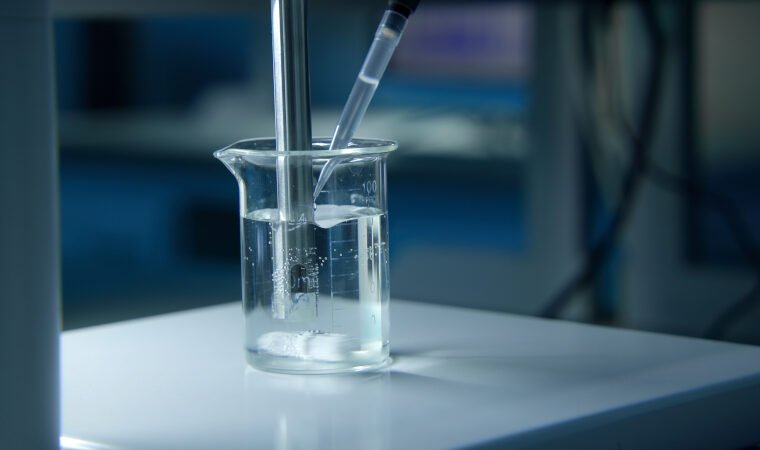
Many homeowners imagine water testing as something overly technical, with lab coats and complicated equipment. Sometimes a full lab test is needed, especially for bacteria, nitrates, arsenic, lead, or other safety-related concerns. But for many common household issues, the process can begin right at home.
An in-home water analysis may check things like hardness, pH, iron, chlorine, total dissolved solids, odor, and visual clarity. The person testing the water may also look at fixtures, staining, plumbing layout, water heater symptoms, and the way water behaves from different taps.
That last part matters more than people think. If the smell only comes from hot water, the water heater may be involved. If cloudiness appears after heavy rain, the well or sediment may need attention. If staining is worse in toilets, iron or manganese may be part of the story.
Good testing is not just numbers on a strip. It is observation plus measurement.
Private Wells Need Extra Attention
Homeowners with private wells carry more responsibility for their water. City water is generally monitored before it reaches homes, but a private well draws directly from groundwater. That means the homeowner is usually responsible for testing, maintenance, and treatment choices.
Well water can pick up minerals, metals, bacteria, sediment, and odors as it moves underground. Conditions can also change after storms, drought, construction, flooding, or well repairs. A well that tested fine a few years ago may not be exactly the same today.
For that reason, routine testing is a smart habit. Many homeowners test annually for bacteria and basic safety indicators, with additional testing whenever the taste, smell, color, or clarity changes.
Water Quality Affects More Than Taste
When people hear water quality, they often think only about drinking water. That is understandable, but water touches nearly every part of a home. It affects showers, laundry, dishwashing, cooking, cleaning, appliances, plumbing, and even how long fixtures stay nice.
Hard water can leave scale inside water heaters and on shower doors. Iron can stain sinks and clothing. Sediment can clog screens and valves. Low pH water may contribute to corrosion. Chlorine can affect taste and smell. Sulfur odors can make a clean bathroom feel unpleasant.
Better water can make the home feel easier to live in. Dishes look clearer. Soap works better. Laundry feels fresher. Appliances may run more efficiently. These are ordinary benefits, but they matter because they show up every single day.
When a Full Lab Test Makes Sense
Basic testing is useful, but it does not replace every type of lab analysis. If there is concern about bacteria, nitrates, lead, arsenic, pesticides, or other contaminants that may affect health, certified lab testing is usually the better route.
This is especially important for homes with infants, elderly family members, immune-sensitive residents, or older plumbing. It is also wise after flooding, nearby agricultural activity, major plumbing work, or any unexplained change in water.
A responsible water professional should be honest about what can be tested on-site and what should go to a lab. That honesty matters. Water treatment should be based on trust, not pressure.
Choosing Treatment After Testing
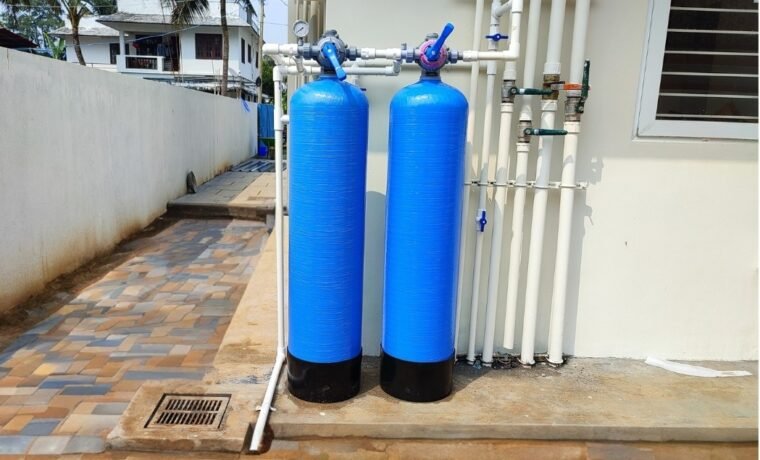
Once test results are clear, choosing the right solution becomes much easier. Hardness may call for a water softener. Sediment may need filtration. Iron or sulfur may need specialty treatment. Drinking water concerns may be handled with reverse osmosis or other point-of-use systems. Bacteria may require disinfection and possibly well repairs.
Sometimes one system is enough. Other times, a home needs a layered setup, with sediment filtration first, then conditioning, then drinking water treatment. The exact design depends on the water and the household.
The goal is not to install the most equipment. The goal is to solve the problem properly.
A Better Home Starts at the Tap
There is something comforting about trusting your water. Filling a glass without hesitation. Taking a shower without noticing odor. Washing white towels without worrying about stains. Making coffee that tastes like coffee, not minerals.
Testing is the first step toward that kind of confidence. It turns uncertainty into useful information. It helps homeowners stop guessing and start making decisions that fit their actual water.
Water may seem ordinary, but it quietly shapes daily life. When it is clean, clear, and properly treated, the whole home feels better. And sometimes, all it takes to begin is a simple test and a willingness to find out what your water has been trying to tell you.