Most homeowners can remember at least one unexpected breakdown that completely disrupted their day. Maybe the air conditioner stopped working during the hottest weekend of the year, or the furnace decided to take a break just before a cold front rolled in. Those moments usually arrive without warning—or at least that’s how they feel.
The interesting part is that heating and cooling systems often give subtle clues long before they fail. A strange sound that wasn’t there last month. Airflow that feels slightly weaker. A thermostat that suddenly seems less accurate. These little changes are easy to overlook because the system continues running, just not quite as efficiently as before.
That’s why the best HVAC strategy isn’t waiting for something to go wrong. It’s creating habits that help prevent those emergencies from happening in the first place.
Heating and Cooling Systems Work Harder Than We Realize
Unlike many household appliances, HVAC equipment rarely gets a day off.
Through changing seasons it cycles on and off thousands of times, adjusting indoor temperatures while quietly managing airflow, humidity, and comfort throughout the house. Compressors, blower motors, heat exchangers, electrical components, sensors, and filters all perform their jobs behind the scenes without asking for much attention.
Eventually, though, even dependable equipment experiences normal wear.
That doesn’t automatically mean replacement is necessary.
More often, it simply means the system needs thoughtful care before small issues begin affecting overall performance.
Maintenance Is About More Than Avoiding Breakdowns
People sometimes think HVAC maintenance exists solely to prevent expensive repairs.
While that’s certainly a major benefit, regular service also improves efficiency, extends equipment lifespan, helps maintain consistent temperatures, and reduces unnecessary energy consumption.
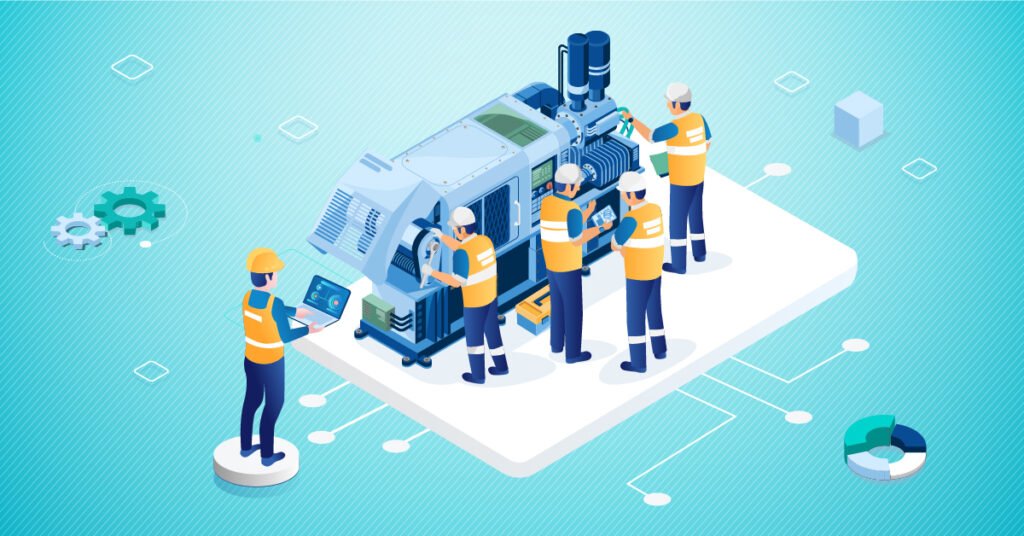
A well-designed preventative maintenance program gives technicians the opportunity to inspect critical components before heavy seasonal demand begins. They can clean important parts, verify refrigerant levels, test electrical connections, replace worn components, and identify developing concerns while they’re still relatively minor.
Those small adjustments often prevent much larger problems later.
Preventive care rarely feels dramatic.
That’s exactly why it’s so effective.
Every Part of the System Matters
Homeowners often focus only on the heating or cooling equipment itself.
In reality, an HVAC system includes much more.
Ductwork distributes conditioned air throughout the home. Thermostats regulate temperatures. Filters improve airflow while capturing airborne particles. Vents, dampers, electrical controls, drainage systems, and insulation all contribute to overall performance.
Providing comprehensive system services means evaluating how these components work together instead of concentrating on only one piece of equipment.
A problem in the ductwork can affect airflow just as much as a mechanical issue inside the furnace or air conditioner.
Looking at the entire system usually leads to more accurate solutions.
Small Efficiency Gains Add Up
It’s easy to underestimate the impact of a slightly dirty filter or restricted airflow.
Yet HVAC systems respond quickly to these seemingly minor issues.
When airflow becomes limited, motors work harder. Compressors operate longer, energy consumption increases, and wear gradually accelerates across multiple components.
Maintaining peak efficiency isn’t always about installing brand-new equipment.
Sometimes routine service restores much of the system’s original performance while helping homeowners reduce monthly utility costs without making major upgrades.
Small improvements repeated consistently often outperform dramatic changes made too late.
Timing Can Make a Big Difference
Anyone who has experienced an HVAC emergency during peak summer or winter already understands one simple truth.
Everyone else is calling at the same time.
Scheduling maintenance before seasonal demand increases helps homeowners avoid much of that stress. Equipment receives attention while technicians have greater appointment availability, and any necessary repairs can be completed before temperatures become extreme.
Preparation almost always feels easier than reacting during an emergency.
That’s true in many areas of life, and home comfort is certainly one of them.
Faster Help Brings Peace of Mind
One benefit homeowners often appreciate after enrolling in service agreements is priority service when unexpected issues arise.
Knowing that your household receives faster scheduling during busy seasons provides reassurance that’s difficult to measure until it’s actually needed.
Instead of worrying about waiting several days during uncomfortable weather, homeowners enjoy greater confidence that help will arrive promptly.
Sometimes the greatest value isn’t avoiding every repair.
It’s knowing support is readily available whenever it becomes necessary.
Good Maintenance Protects Your Investment
Heating and cooling equipment represents one of the largest mechanical investments inside most homes.
Like any valuable system, it performs best when cared for consistently rather than only after something breaks.
Routine inspections help extend equipment lifespan by reducing unnecessary strain, identifying worn components early, and ensuring every part operates within normal performance ranges.
That attention frequently delays expensive replacement while improving reliability throughout the life of the system.
Protecting existing equipment is often more economical than replacing it prematurely.
Choosing the Right HVAC Partner
Not every service company approaches maintenance the same way.
Look for professionals who perform detailed inspections, explain findings clearly, answer questions honestly, and provide practical recommendations based on the actual condition of the equipment rather than high-pressure sales tactics.
Good technicians help homeowners understand why maintenance matters instead of simply recommending additional services.
Education builds confidence.
Confidence builds long-term relationships.
And those relationships often become incredibly valuable over time.
Comfortable Homes Are Rarely Accidental
When an HVAC system operates quietly, temperatures remain consistent, utility bills stay predictable, and every room feels comfortable throughout the year, it’s tempting to assume everything simply takes care of itself.
Usually, it doesn’t.
Behind that reliability are routine inspections, thoughtful maintenance, experienced technicians, and homeowners who chose prevention over reaction.
The best heating and cooling systems aren’t necessarily the newest or the most expensive.
They’re the ones that receive consistent care before problems have the opportunity to grow.
In the end, maintaining indoor comfort isn’t really about avoiding every possible repair. It’s about making small, proactive decisions that protect your equipment, improve efficiency, and reduce unnecessary stress throughout every season.
Because when your HVAC system quietly does exactly what it’s supposed to, you hardly notice it at all. And honestly, that’s probably the greatest compliment any heating and cooling system can receive.