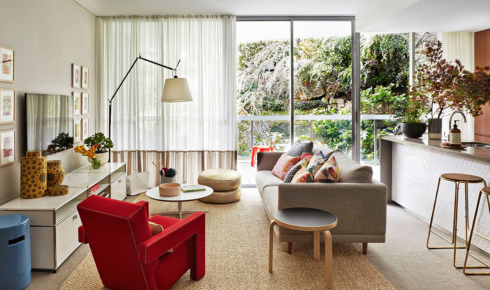
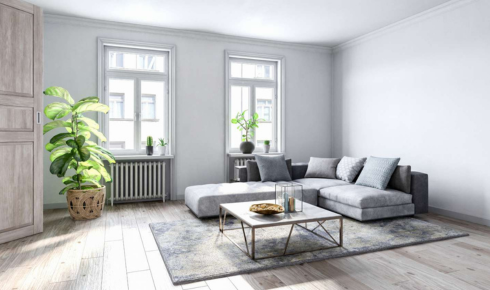
It’s easy to fall in love with a sofa or bed in a showroom. Under those big lights and open space, everything feels like it will fit anywhere. Then you bring it home and realise it blocks a door, covers a plug point, or leaves no walking path.
Sketching your room roughly on paper or using a simple app—with real measurements of walls, windows and existing pieces—gives you a reality check. You can see if that L-shaped sofa will actually allow movement, or if a king bed will trap a cupboard door.
When you shop with that layout in mind, you’re less likely to buy purely on impulse. Furniture feels like it belongs from day one, instead of you having to adjust your life around awkward pieces.
More useful reads:
- What difference does placing lamps at different heights—floor, table and wall—make to evening ambience?
- How can choosing a limited colour palette across rooms quietly tie the whole home together?
- How can using baskets on open shelves make stored items look intentionally styled instead of randomly placed?