
People spend months choosing countertops, flooring, wall colors, and furniture when building or renovating a home. Entire weekends disappear comparing tile samples or debating cabinet finishes. Yet one of the most important parts of daily comfort usually gets far less attention — the cooling system.
It’s funny in a way. You can have a beautiful house with perfect lighting and expensive décor, but if the rooms feel hot, humid, or stuffy all the time, none of it really feels comfortable.
Temperature changes the mood of a home more than people realize.
I remember walking through a newly finished house a few summers ago. Gorgeous place. Open layout, tall ceilings, huge windows. But by mid-afternoon, the upstairs rooms felt noticeably warmer than the main floor. The owners had invested heavily in aesthetics but overlooked how airflow and cooling would work in the actual living space.
That experience stuck with me because it showed how comfort isn’t just visual. It’s physical. You feel it immediately.
Why Proper Cooling Design Matters Early
One mistake homeowners often make is treating cooling systems like a final checklist item instead of part of the overall design process. But HVAC planning affects how a home functions every single day.
Room placement, ceiling height, insulation, window direction — all of these details influence cooling performance. When builders and homeowners think about airflow early, the entire house tends to feel more balanced afterward.
This becomes especially important during new construction projects where everything is being designed from scratch. It’s much easier to create efficient airflow and proper system sizing before walls go up than trying to fix uneven temperatures later.
Unfortunately, people sometimes focus only on the size of the unit itself. Bigger isn’t always better. Oversized systems can cool rooms too quickly without removing enough humidity, leaving the home feeling cold but oddly damp.
Comfort is more nuanced than people expect.
Installation Quality Makes a Bigger Difference Than Most Realize
There’s a common assumption that buying a high-end AC unit automatically guarantees great performance. But even expensive systems can struggle if the installation isn’t done properly.
Poor ductwork, incorrect sizing, weak airflow balancing, or rushed installation work can create years of frustration. Hot spots in bedrooms. Constant thermostat adjustments. Higher energy bills. Systems running nonstop without ever feeling quite right.
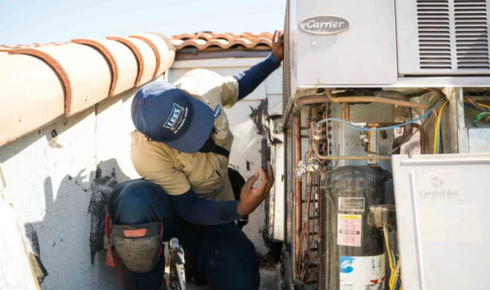
Good AC Installation is really about attention to detail. Skilled technicians look beyond simply placing equipment into a home. They evaluate airflow patterns, insulation conditions, vent placement, and how the entire system will operate under real-world conditions.
And honestly, homeowners notice the difference pretty quickly.
One family I know replaced their old system after years of uneven cooling. What surprised them wasn’t only the lower utility bill afterward — it was how quiet and stable the home suddenly felt. No constant cycling. No battling temperatures room by room.
Just steady comfort in the background.
The Shift Toward Smarter Cooling Systems
Cooling technology has changed a lot over the last decade. Older systems were often loud, inefficient, and inconsistent. They worked hard, but not always intelligently.
Modern energy-efficient air conditioning systems are designed differently. Many adjust cooling output based on actual demand instead of constantly running at full power. That means steadier temperatures, quieter operation, and less wasted energy.
For homeowners, the practical benefits become obvious pretty fast:
- Lower monthly utility costs
- Better humidity control
- Reduced wear on equipment
- More consistent indoor temperatures
- Quieter daily operation
But beyond efficiency, there’s another reason people are upgrading now. They want homes that feel easier to live in.
Nobody wants to spend every summer adjusting blinds, changing thermostat settings, or dragging fans from room to room just to stay comfortable.
Humidity Changes Everything
One thing people underestimate is humidity. Temperature alone doesn’t define comfort.
A house can technically be “cool” but still feel sticky and uncomfortable if moisture levels aren’t balanced correctly. That heavy indoor feeling many people complain about during summer often comes from humidity issues more than actual temperature.
Good cooling systems manage both.
Homes with balanced humidity tend to feel fresher and more breathable overall. Sleep improves. Indoor air feels cleaner. Even furniture and flooring benefit from more stable moisture levels over time.
It’s one of those details homeowners don’t always think about until they experience the difference firsthand.
Long-Term Comfort Is Worth Planning For
When people build or renovate homes, there’s often pressure to focus on visible upgrades first. Kitchen finishes, lighting fixtures, landscaping — the exciting stuff.
But long after the excitement of move-in day fades, the comfort of the home remains. You notice whether bedrooms stay cool at night. You notice if energy bills feel manageable. You notice whether the system runs smoothly or constantly demands attention.
That’s why investing in proper HVAC planning early usually pays off in ways people don’t fully appreciate at first.
Reliable cooling quietly improves daily life.
A Comfortable Home Feels Effortless
At the end of the day, the best cooling systems are the ones people barely think about. The home simply feels comfortable no matter the weather outside. Rooms stay balanced. Air feels clean. Temperatures remain steady without constant adjustments.
There’s something satisfying about that kind of reliability.
And while air conditioning may not be the most glamorous part of a house, it plays a huge role in shaping how the space feels every single day. Long after paint colors change and furniture gets replaced, comfort remains one of the things homeowners value most.