Water has a way of blending into the background of daily life. We pour it into coffee mugs before sunrise, boil pasta for dinner, fill reusable bottles before heading out the door, and trust it every time we turn on the tap. Because it’s always there, it’s easy to assume everything is fine.
But sometimes the biggest water concerns are the ones we can’t see.
Unlike cloudy water or unpleasant odors, arsenic doesn’t usually announce itself. It has no obvious taste, smell, or color, which makes it especially important to understand where it comes from and how homeowners can respond if it’s present. For families using private wells—or even some municipal supplies in certain regions—learning about arsenic isn’t about creating fear. It’s about making informed decisions that protect long-term health.
Why Arsenic Can Be Found in Water
Arsenic is a naturally occurring element found in rocks and soil around the world. As groundwater moves through these underground formations, small amounts can dissolve into the water supply. In some locations, agricultural practices or industrial activity may also contribute, but natural geology remains the most common source.
Because these conditions vary widely from one area to another, two homes only a few miles apart may have completely different water quality. One well might show no measurable arsenic, while another requires treatment.
That’s why assumptions rarely work when it comes to water quality.
The Challenge Is That You Can’t See It
One of the most difficult things about arsenic in water is that it usually leaves no visible clues.
The water may look perfectly clear.
It may taste fresh.
It may even pass every casual observation a homeowner makes.
Without laboratory testing, there’s simply no reliable way to know whether arsenic is present or what concentration exists. That’s why routine water testing is strongly recommended for private well owners, especially in regions where naturally occurring arsenic has been documented.
Testing replaces uncertainty with facts, allowing homeowners to make confident decisions instead of relying on guesswork.
Why Regular Water Testing Matters
Many homeowners only test their water after noticing stains, odors, or plumbing problems. Unfortunately, arsenic doesn’t create those warning signs.
Routine laboratory analysis provides valuable information about much more than arsenic alone. It can identify hardness, iron, manganese, pH levels, nitrates, bacteria, and other water quality characteristics that influence both health and household performance.
Think of testing as a routine health checkup—not because something is necessarily wrong, but because knowing the facts is always better than wondering.
Once results are available, selecting the proper treatment becomes much more straightforward.
Choosing the Right Treatment Makes All the Difference
Not every filtration system is designed to reduce arsenic.
That’s an important point because many countertop filters or basic sediment filters improve taste without addressing dissolved contaminants. Installing the wrong equipment may create a false sense of security while leaving the actual issue unchanged.
Effective arsenic water treatment depends on several factors, including the type of arsenic present, water chemistry, pH levels, and the presence of other dissolved minerals.
Professional testing helps determine which treatment technology is most appropriate for a specific home, ensuring the solution matches the water rather than relying on assumptions.
Modern Technology Offers Reliable Protection
Water treatment technology has advanced significantly over the past decade.
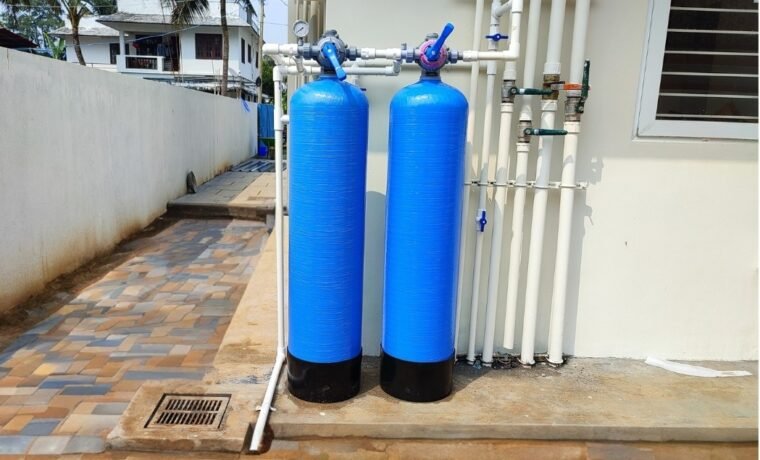
Depending on water conditions, homeowners may benefit from reverse osmosis, specialized adsorption media, ion exchange, or other treatment methods specifically designed for arsenic reduction.
Many arsenic removal systems are capable of providing consistent, dependable performance when properly selected, installed, and maintained. The key isn’t necessarily purchasing the largest or most expensive unit—it’s choosing equipment that addresses the unique characteristics of your home’s water supply.
That personalized approach often delivers better results while avoiding unnecessary costs.
Installation Is Only the Beginning
Even excellent equipment requires occasional maintenance.
Filter cartridges eventually need replacement. Treatment media has a service life. Monitoring performance ensures the system continues operating as intended year after year.
Fortunately, most modern treatment systems are designed with homeowner convenience in mind. Routine maintenance schedules are straightforward, and many systems include indicators that simplify ongoing care.
Regular servicing protects both water quality and the investment homeowners have already made.
Safe Water Supports Everyday Living
It’s easy to think about water only when filling a glass.
In reality, water touches almost every part of daily life.
It’s used to prepare meals, brew coffee, make ice, wash fruits and vegetables, mix infant formula, and hydrate every member of the household. Clean water contributes to peace of mind because families know they’re supporting healthier routines with every use.
When homeowners understand their water quality and address concerns proactively, they often stop worrying altogether—and that’s perhaps one of the greatest benefits of effective treatment.
Prevention Is Always Better Than Guesswork
Waiting until a problem becomes obvious isn’t always possible with contaminants that can’t be seen or tasted.
That’s why regular water testing remains one of the smartest investments homeowners can make, particularly for private wells. A relatively simple test provides valuable information that guides treatment decisions, protects household health, and helps avoid unnecessary spending on equipment that may not solve the real problem.
Knowledge truly becomes the foundation of better water.
Better Water Begins With Better Information
Improving water quality doesn’t begin with buying equipment—it begins with understanding what’s actually in your water.
If testing shows arsenic isn’t present, you’ll enjoy valuable peace of mind. If it is detected, today’s treatment technologies provide reliable solutions that allow families to continue using their water with confidence.
The goal isn’t perfection. It’s making thoughtful, informed decisions that support healthier living for years to come.
After all, the best water treatment systems don’t simply improve water. They quietly improve everyday life—every meal prepared, every cup of coffee brewed, every bottle filled before leaving the house, and every ordinary moment that depends on something we often take for granted.
Clean, dependable water may be invisible most of the time, but the confidence it brings is something every homeowner can appreciate.