There’s a strange shift that happens at home sometimes. Nothing dramatic, nothing urgent. Just a quiet awareness creeping in. You turn on the tap, fill a glass, and for a second—just a second—you hesitate.
It’s not that the water looks bad. It’s not that it smells awful. It’s just… not quite what you expected.
And that’s usually how it starts.
When “Good Enough” Stops Feeling Good Enough
For years, most of us accept our water as it is. It’s clear, it flows, it works. End of story.
But then something changes. Maybe you move to a new house. Maybe you notice buildup on your faucets that wasn’t there before. Or maybe it’s just a growing awareness that what you’re using every single day could actually be better.
That’s when people begin looking into residential water treatment—not out of panic, but out of curiosity. A quiet decision to improve something fundamental without turning it into a big project.
And honestly, it’s often simpler than it sounds.
Water Isn’t Just for Drinking
One of the biggest misconceptions about water quality is that it only matters when you drink it.
But think about it for a moment—water touches almost everything in your home. It’s in your showers, your laundry, your dishes, your appliances. It interacts with your skin, your clothes, your daily routines.
So when it’s slightly off, even in small ways, the effects ripple out.
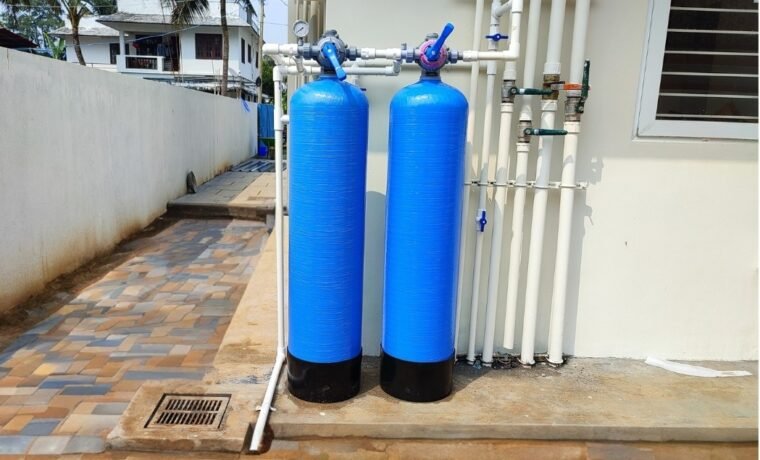
That’s why many homeowners consider whole home filtration. Instead of focusing on one tap or one use, it treats water at the entry point—quietly improving everything from your kitchen sink to your bathroom shower.
It’s not flashy. But it’s effective in a way that builds over time.
The Taste You Can’t Quite Ignore
Even if you don’t think much about water, taste has a way of getting your attention.
A slight chemical note. A flatness that makes your morning coffee feel less satisfying. It’s subtle, but it sticks with you.
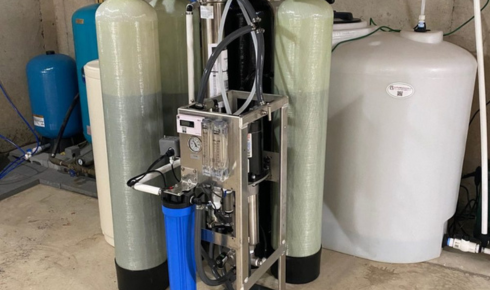
That’s where reverse osmosis drinking water systems come into play. They focus specifically on what you consume, filtering out impurities at a very fine level to create water that tastes clean and crisp.
And once you get used to that clarity, it’s hard to go back. You don’t think about it every time you drink water—but you notice when it’s missing.
The Quiet Impact on Daily Life
What’s interesting about improving water quality is how the benefits show up.
They don’t arrive all at once. There’s no big “before and after” moment.
Instead, they settle in gradually. Your dishes come out cleaner. Your laundry feels softer. Your appliances seem to run a bit more smoothly. Even your showers feel more comfortable.
Individually, these changes are small. But together, they reshape your daily routine in a way that feels… easier.
And that’s where the real value lies.
It Doesn’t Have to Be Complicated
There’s a tendency to overthink water systems. People imagine complicated setups, constant maintenance, technical jargon that’s hard to follow.
But modern solutions are surprisingly straightforward.
You don’t need to transform your entire home overnight. You can start with what matters most—maybe drinking water, maybe overall filtration—and build from there.
The key is understanding your needs, not chasing every possible upgrade.
A Different Kind of Home Improvement
Most home improvements are visible. New furniture, fresh paint, updated lighting. Things you can see, touch, and show off.
Water improvements are different.
They’re invisible. They work in the background, shaping your experience without demanding attention. And maybe that’s why they feel so different—because they don’t change how your home looks, they change how it feels.
And that feeling stays with you.
Taking the First Step
If you’ve started noticing small changes in your water—or even just thinking about it more than you used to—you don’t need to rush into decisions.
Start with awareness. Pay attention to what feels off. Maybe test your water. Ask a few questions. Explore your options without pressure.
Because once you understand what’s happening, the next steps tend to feel a lot more natural.
Where It All Leads
At the end of the day, improving your water isn’t about perfection. It’s about comfort. Consistency. Trust.
It’s about knowing that something so essential is working the way it should—quietly, reliably, without needing your attention.
And once you experience that, it becomes part of your everyday life in a way that feels effortless.
Not a big change. Just a meaningful one.